
How the school environment affects children and parents: Managing and reducing stress
15. October 2024
School is undoubtedly an important part of the lives of children and their parents. It is a place where children spend a significant part of the day, where they learn, develop their skills and establish social relationships. Although school can offer many positive experiences, it is not unusual for the school environment to be stressful – not only for children, but also for parents. This stress can have various causes, whether it is pressure to perform, expectations of school success, social relationships in the classroom or organizational demands on the family. Let's take a closer look at how the school environment can affect the psyche of children and parents, and what methods we can use to minimize this stress.
School as a source of stress for children
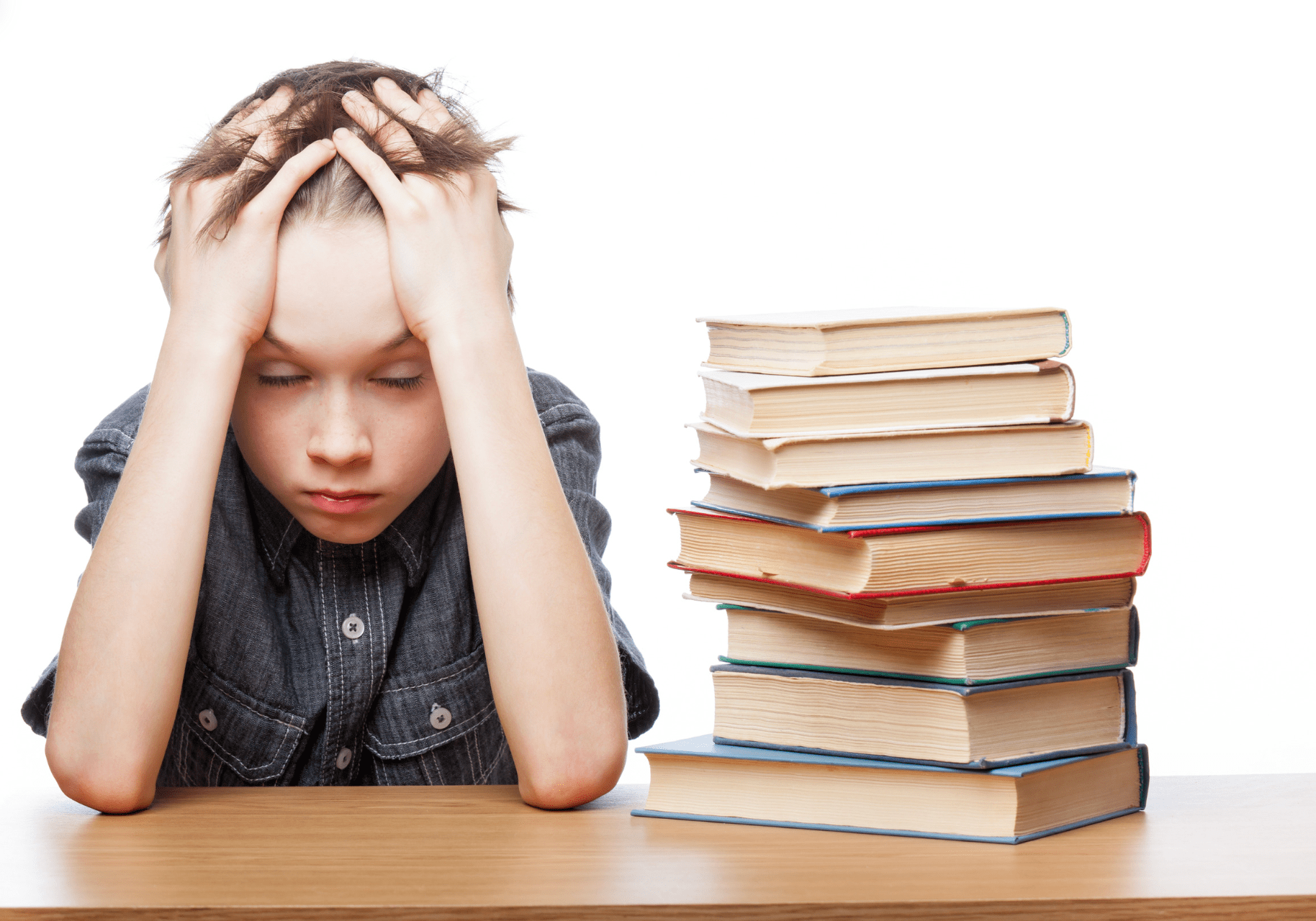
For children, school is a naturally demanding environment. They have to manage academic responsibilities, be in harmony with the collective, and at the same time deal with their personal needs and problems. Performance pressure is one of the main factors that cause stress in children. Children may feel pressure to perform at their best, both from teachers and parents. For some children, this expectation is motivating, but for others it can be a source of anxiety, especially if they fear failure or failure. Another important factor is the social environment at school. Children have to face various social challenges, from inclusion in the collective to problems such as bullying or conflicts with peers. Bullying, whether physical or verbal, can have serious psychological consequences, especially if children fail to find support from adults. Social isolation or the fear of not being accepted into a group can lead to long-term anxiety and feelings of loneliness. Nowadays, there is also an increase in the number of children who have difficulties in the area of learning. Children with undiagnosed disorders such as dyslexia, ADHD or other learning disabilities may feel shame and frustration because they are not achieving the same results as their peers. This can lead to them avoiding school, further exacerbating their problems.
Parents under pressure
School can also be a significant source of stress for parents. They often struggle with the time and organizational demands that school attendance brings. In addition to work duties, they have to arrange school and extracurricular activities for children, supervise homework and be a support to their children when they are facing problems. The financial costs associated with school are another big burden. Purchases of school supplies, textbooks and clothes represent a big hit to the family budget for many families. Parents who want to offer their children quality education and activities may feel that they cannot meet all the demands, leading to frustration and a sense of failure. In addition, parents are often under pressure to be not only providers, but mentors and motivators for their children. This pressure can be particularly burdensome in families where parents are already facing their own professional and personal challenges. Balancing family life and work commitments can lead to feelings of exhaustion and anxiety.
How to recognize the signs of stress
The symptoms of stress can be different for children and parents, but they often manifest in a similar way. In children, stress can be associated with physical symptoms such as headaches, stomach aches or insomnia. Children who experience high levels of stress can also be irritable, aggressive or, on the contrary, apathetic. They may avoid school, have trouble concentrating, or become defiant. Changes in behavior should not be ignored as they may signal that the child is experiencing psychological stress. For parents, stress can be caused by a sense of failure or inadequacy because they are unable to balance all responsibilities. They may feel overwhelmed, exhausted and lose the energy to effectively support their children. Long-term stress can lead to physical health problems, such as high blood pressure or sleep disorders.
Stress Management Strategies and Techniques
Managing stress requires a conscious approach that includes planning, organization, and relaxation techniques. Both parents and children can benefit from techniques that help reduce anxiety and promote overall well-being. Planning and organization helps children better manage the transitions between school, free time and rest. A regular daily routine gives children a sense of security and helps reduce anxiety. Children who know what awaits them feel more confident and have more control over their time. It is also important that the child can participate in decisions about leisure activities. If parents choose rings without considering the child's interests, this can lead to resentment and unnecessary frustration. Parents can encourage a child's healthy approach to schoolwork by appreciating their efforts, not just their results. Praise for effort and hard work reinforces positive motivation and helps the child build self-confidence. Listening is another key strategy. Parents should give their child space to talk about their fears and feelings without interrupting and with empathy. An open dialogue is especially important if the child is experiencing anxiety or fear of returning to school. One of the effective tools and techniques for managing stress is mindfulness. This method, which involves consciously focusing on the present moment, has been shown by research to be very effective in reducing stress and anxiety. For children and parents alike, mindfulness can be a simple but powerful tool to calm down and gain perspective in difficult situations.
- Mindful Breathing: This technique is a great way to stop and relax during a hectic day. Focusing on deep, conscious breathing helps children and parents calm their minds and release tension.
- Body Scan: This method allows gradual relaxation of the body. Both children and adults can sit or lie comfortably and pay attention to individual parts of their body. Releasing tension leads to physical and mental peace.
- Mindful Observation: This technique teaches children and parents to fully focus on the visual stimuli around them, which can be a great way to take a break from thinking about school or work responsibilities.
In addition to mindfulness, it is important to establish a regular daily regime, which will enable children and parents to better manage their time and manage their responsibilities. A structured schedule brings a sense of predictability and security, which is an important factor in coping with stress for both children and adults.
Supporting Social Relationships
An important factor in managing stress is social support. Quality friendships and family support can help both children and parents reduce feelings of isolation and improve their ability to cope with challenging situations. It is crucial for children to have friends and peers around them with whom they can share their experiences and joys, but also difficulties. Friendships and quality social interactions reduce the risk of developing anxiety and depressive symptoms and promote emotional stability.
Role of parents and teachers
Parents and teachers are key figures in managing stress in children. It is important that parents are alert to changes in the child's behavior and able to respond with empathy and support. Routine and a clear structure of the day help children manage stress and reduce uncertainty. Teachers should be sensitive to signs of stress in the classroom and provide sufficient emotional support to children. Children need to know that they can rely on the adults around them. Both teachers and parents should maintain regular contact so that they can solve any problems in time and ensure that the child receives the necessary support both at home and at school.
When to seek professional help
If stress persists for a child or a parent and interferes with daily life, it is time to seek professional help. Pedagogical-psychological counseling centers, school psychologists or child clinical psychology can help solve both academic and psychological difficulties associated with the school environment. Professionals can provide support to manage anxiety, behavioral problems or social conflicts. School is an important part of the lives of children and parents, but its environment can be a source of stress. This stress can have negative effects on both mental and physical health. Coping with schoolwork, performance pressure and social challenges can be challenging for children and their parents. However, with the use of effective stress management techniques, such as mindfulness, time planning and supporting social relationships, these challenges can be better managed and their negative effects minimized.
Are you or your children suffering from excessive stress or psychological discomfort? Our experts are here for you! You can make an order on the phone number +420 607 001 007 or via the e-mail address info@ponseticlinic.cz.
We are Ponseti Clinic.
We give strength to rise.